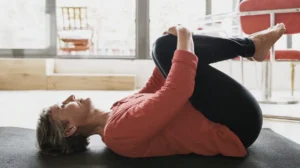
Your pelvic floor muscles do quite a lot of work behind the scenes. They help support your bladder and bowel, play a role in controlling when you go to the toilet, and contribute to how your pelvic organs function.
Most of us don’t think much about these muscles until something changes.
Perhaps you’ve noticed a little urine leakage when you sneeze, or you’ve been told to try pelvic floor exercises after having a baby. You might want to understand how these muscles work and whether there’s anything you can do to look after them.
Pelvic floor exercises may help with certain types of bladder leakage, but they aren’t necessarily suitable for everyone. Sometimes the problem isn’t that the muscles are weak. They may be holding too much tension or struggling to relax as they should. In these cases, doing more strengthening exercises could make symptoms worse, and a different approach may be needed. Let’s look at what your pelvic floor does, how exercises work and when professional advice might be useful.
What Are Your Pelvic Floor Muscles?

The pelvic floor is a group of muscles and connective tissues that stretches across the bottom of your pelvis.
Think of it as a supportive layer beneath your pelvic organs.
In women, these muscles help support the bladder, uterus and bowel. In men, they support the bladder and bowel and contribute to urinary control.
The pelvic floor also works alongside other muscles involved in movement, breathing and abdominal pressure.
Why Are These Muscles Important?
Your pelvic floor helps with several everyday functions, including:
- Supporting the bladder and bowel
- Helping control the release of urine and stools
- Responding to pressure when you cough, sneeze or lift something
- Contributing to sexual function
- Supporting pelvic organs during everyday movement
These muscles need to do more than contract. They also need to relax properly.
A constantly tense pelvic floor can cause problems, just as reduced muscle strength or coordination can.
What Can Affect Pelvic Floor Function?
Pelvic floor problems can develop for different reasons, and weak muscles don’t always cause them.
Sometimes changes happen gradually. Other times, symptoms appear after pregnancy, surgery or an illness.
Pregnancy and Childbirth
Pregnancy places additional demands on the pelvic floor as the body supports a growing baby.
Childbirth, particularly vaginal delivery, can also affect the muscles, nerves and connective tissues around the pelvis.
Some women notice bladder leakage or a feeling of heaviness after giving birth. Others don’t experience any symptoms.
If problems continue after childbirth, a pelvic health physiotherapist can assess what’s happening and recommend appropriate support.
Ageing and Menopause
Pelvic floor function can change as we get older.
Muscle changes, previous pregnancies, medical conditions and hormonal changes may all contribute to symptoms.
Around menopause, changes in oestrogen levels can also affect vaginal and urinary tissues.
However, bladder leakage or pelvic discomfort shouldn’t automatically be dismissed as an unavoidable part of getting older.
Surgery and Medical Conditions
Previous pelvic surgery, neurological conditions, chronic constipation and other health problems may affect pelvic floor function.
Some people experience difficulties with muscle coordination rather than strength.
This is why it’s important to understand the cause of symptoms before starting a treatment programme.
Everyday Pressure on the Pelvic Floor
Repeated straining during bowel movements, persistent coughing and certain physically demanding activities can place additional pressure on pelvic structures.
These factors don’t necessarily cause pelvic floor problems on their own, but they may contribute to symptoms in some people.
How Do You Know If Your Pelvic Floor Needs Attention?
Pelvic floor dysfunction doesn’t look the same for everyone.
Some people experience occasional symptoms, while others find that bladder or bowel problems affect their daily routine.
Possible signs include:
- Leaking urine when coughing, laughing or exercising
- Difficulty controlling wind or bowel movements
- A feeling of heaviness or pressure in the pelvis
- Difficulty emptying the bladder or bowel
- Pelvic pain or discomfort
- Pain during sexual activity
- Difficulty contracting or relaxing the pelvic floor muscles
These symptoms can have several causes, so they shouldn’t automatically be attributed to muscle weakness.
If you’re experiencing any of them, speak with your GP or an appropriately qualified pelvic health professional.
What Are Pelvic Floor Exercises?
Pelvic floor muscle training involves deliberately contracting and relaxing the muscles around the bladder and bowel.
You may have heard these called Kegel exercises.
The aim is to improve muscle strength, endurance and coordination where these are reduced.
For women with stress or mixed urinary incontinence, NICE recommends supervised pelvic floor muscle training for at least three months as an initial treatment.
This doesn’t mean everyone with bladder symptoms needs the same exercises.
A healthcare professional can assess whether strengthening is appropriate and help you perform the movements correctly.
How to Do Pelvic Floor Exercises
If a healthcare professional has confirmed that pelvic floor strengthening is suitable for you, the following explains the general technique.
1. Find the Right Muscles
Imagine you’re trying to stop yourself from passing wind while also gently closing and lifting the muscles around the urethra.
You should feel a lifting sensation, not a pushing sensation.
Try not to tighten your buttocks or hold your breath.
Don’t routinely practise by stopping your urine mid-flow, as this can interfere with normal bladder emptying.
2. Practise Gentle Contractions
Slowly tighten your pelvic floor muscles, imagining you’re gently lifting them upwards. Once you’ve done this, let the muscles fully relax before trying again.
There’s no need to squeeze as hard as you can. Keep the movement gentle and controlled, without holding your breath or pushing down.
3. Work on Control
Pelvic floor training may involve both longer holds and shorter contractions.
The number and duration of exercises should reflect your current ability.
Trying to hold a contraction for longer than you can comfortably isn’t necessarily helpful.
A pelvic health physiotherapist can explain how many repetitions to perform and when to increase them.
4. Remember to Relax
Relaxation is an important part of pelvic floor function.
After each contraction, let the muscles fully release before trying again.
If exercises cause pain, pressure or worsening symptoms, stop and seek professional advice.
5. Build a Routine That Works for You
Pelvic floor training usually requires regular practice over time.
You may find it easier to remember your exercises by linking them to an existing daily activity.
However, follow an individual programme rather than assuming that doing more exercises will produce better results.
Can Pelvic Floor Exercises Help With Urinary Incontinence?
They can help with certain types of urinary incontinence, particularly when reduced pelvic floor strength or coordination contributes to leakage.
Stress Urinary Incontinence
Have you ever noticed a little urine escaping when you laugh, sneeze or do something physically demanding? This is known as stress urinary incontinence.
It happens when everyday movements put extra pressure on your bladder, causing urine to leak.
You might experience this when you’re:
- Having a coughing or sneezing fit
- Laughing at something funny
- Carrying heavy shopping bags
- Going for a run or taking part in exercise
- Getting up quickly or making a sudden movement
Despite the name, stress incontinence isn’t caused by emotional stress. The word “stress” refers to the physical pressure these activities place on your bladder. Supervised pelvic floor muscle training is recommended as an initial treatment for women with stress urinary incontinence.
Improvement varies, and some people may need further assessment or additional treatment.
Urge Urinary Incontinence
Urge incontinence is different.
You may suddenly feel a strong need to pass urine and struggle to reach the toilet in time.
Pelvic floor exercises alone aren’t necessarily the most appropriate treatment.
For women with urgency or mixed urinary incontinence, NICE recommends bladder training lasting at least six weeks as an initial treatment.
Mixed Urinary Incontinence
Mixed urinary incontinence is when you experience two different types of bladder leakage. You might notice a little urine escaping when you cough, sneeze or laugh, but also find yourself rushing to the toilet when the urge to go comes on without warning.
As both stress and urge incontinence are involved, managing your symptoms may require a combination of approaches, depending on what’s causing the problem. Because both types of symptoms are present, a treatment plan may involve pelvic floor muscle training alongside bladder training or other appropriate interventions.
Can Pelvic Floor Exercises Help With Bowel Control?
Some people experiencing accidental bowel leakage may benefit from a programme involving pelvic floor exercises, bowel habit advice or other specialist support.
However, bowel symptoms can have different causes, including constipation, nerve problems and changes to the anal sphincter muscles.
An assessment is important before deciding which approach is suitable.
What About Pelvic Organ Prolapse?
Pelvic organ prolapse happens when one or more pelvic organs descend from their usual position.
Symptoms may include a feeling of heaviness, pressure or a bulge in the vagina.
Pelvic floor muscle training may help manage symptoms in some women, particularly with certain stages of prolapse.
However, exercises cannot be relied upon to prevent prolapse or reverse every case.
Depending on the circumstances, management may involve supervised exercises, lifestyle advice, a vaginal pessary or specialist treatment.
When Pelvic Floor Strengthening Might Not Be Appropriate
It’s easy to assume a stronger pelvic floor is always healthier.
But some people have muscles that stay overly tense or struggle to relax.
This can contribute to pelvic pain, discomfort during sex, difficulty passing urine or problems emptying the bowel.
In these situations, repeatedly squeezing the muscles may worsen symptoms.
Treatment may instead focus on relaxation, breathing, coordination and other techniques recommended by a pelvic health physiotherapist.
If you’re unsure whether your pelvic floor is weak, overactive or functioning normally, seek an assessment before beginning intensive exercises.
Can Pelvic Floor Muscles Improve With Age?
Age alone doesn’t mean pelvic floor muscle training won’t be helpful.
Older adults can still benefit from appropriate exercise programmes, although progress depends on individual health, symptoms and muscle function.
Some people improve with supervised training, while others need additional support.
The key is choosing exercises suited to your needs rather than following a routine designed for someone else.
What About Electromagnetic Pelvic Floor Stimulation?
You may have seen electromagnetic stimulation equipment advertised as another way of activating pelvic floor muscles.
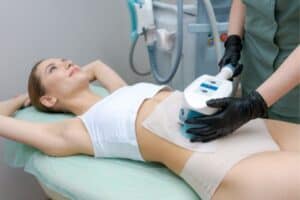
These devices use electromagnetic energy to produce muscle contractions in the pelvic region.
This is different from voluntarily performing pelvic floor exercises.
Although both approaches involve muscle activity, that doesn’t mean they have the same clinical benefits.
Research into electromagnetic stimulation for pelvic floor conditions is ongoing, and findings from one device cannot automatically be applied to another.
A device that produces muscle contractions doesn’t necessarily mean it will improve bladder control, strengthen the pelvic floor in a clinically meaningful way, or treat urinary incontinence.
For women with stress or mixed urinary incontinence, supervised pelvic floor muscle training remains an established initial treatment recommended by NICE.
Understanding LA-EMS at LA LIPO
At LA LIPO, we provide access to LA-EMS electromagnetic stimulation equipment through our home-based service.
The equipment is designed to produce contractions in the pelvic floor region while the user is seated.
Our service includes an initial consultation, demonstration, and setup, so customers can understand how the equipment operates and what precautions may apply.
It’s important to distinguish between the intended action of LA-EMS and proven treatment outcomes.
Evidence relating to other electromagnetic stimulation systems cannot automatically establish that LA-EMS will improve urinary incontinence or pelvic floor function.
Anyone experiencing bladder or bowel symptoms should seek appropriate medical assessment before considering additional interventions.
LA-EMS shouldn’t be considered a replacement for supervised pelvic floor exercises, bladder training, or other recommended medical care.
Is LA-EMS Suitable for Everyone?
No.
Suitability depends on medical history, the particular equipment and the manufacturer’s contraindications.
Factors that may require additional assessment or make the equipment unsuitable include:
- Pregnancy
- Implanted electronic medical devices
- Certain metallic implants
- Previous pelvic surgery
- Relevant neurological or other medical conditions
- Unexplained pelvic symptoms
This isn’t a complete contraindication list.
Anyone considering the equipment should disclose relevant medical information and follow the manufacturer’s safety instructions.
When Should You Seek Professional Help?
Pelvic floor symptoms can feel embarrassing, but they’re common reasons for seeking healthcare advice.
Arrange an appointment with your GP if you’re experiencing persistent bladder leakage, bowel control problems, pelvic pressure or pain.
Seek prompt medical advice if you notice blood in your urine, difficulty passing urine or significant pelvic pain.
New bladder or bowel problems accompanied by severe back pain, numbness around the groin or new leg weakness require emergency medical assessment.
Getting the right diagnosis can help you avoid spending time on exercises or treatments that aren’t appropriate for your symptoms.
Frequently Asked Questions About Strengthening Your Pelvic Floor
1. How long does it take to strengthen pelvic floor muscles?
It depends on your starting muscle function, the exercises you’re doing, and the cause of your symptoms.
For women with stress or mixed urinary incontinence, NICE recommends a supervised training programme lasting at least three months.
Some people notice changes during this period, while others may need longer or require a different approach.
2. Can I strengthen my pelvic floor at home?
Yes, you can often practise pelvic floor exercises at home once you’ve been shown the correct technique.
If you have bladder leakage, pelvic pain or difficulty relaxing the muscles, professional assessment is advisable before starting.
3. Are Kegel exercises suitable for everyone?
No. Kegel exercises involve pelvic floor contractions, but they may not be appropriate for people with an overly tense or painful pelvic floor.
A pelvic health physiotherapist can assess your symptoms and advise whether you need strengthening, relaxation, or another approach.
4. Can pelvic floor exercises stop bladder leakage?
Pelvic floor muscle training can improve symptoms for some people with stress or mixed urinary incontinence.
However, it won’t resolve every cause of bladder leakage, and improvement cannot be guaranteed.
The most appropriate treatment depends on the type of incontinence and any underlying health conditions.
5. Can men do pelvic floor exercises?
Yes. Men also have pelvic floor muscles that contribute to bladder and bowel control.
Pelvic floor training may be recommended in certain circumstances, including some bladder control problems following prostate treatment.
A healthcare professional can advise whether exercises are appropriate.
6. Should pelvic floor exercises hurt?
No. Correctly performed pelvic floor exercises shouldn’t cause pain.
If you experience discomfort, pelvic pressure or worsening symptoms, stop and seek advice from a qualified healthcare professional.
7. Can walking help strengthen the pelvic floor?
Walking supports general fitness and physical activity, but it isn’t a direct replacement for targeted pelvic floor muscle training when recommended.
If you have symptoms, a healthcare professional can explain which exercises may be useful.
8. Is electromagnetic stimulation the same as pelvic floor exercises?
No. Pelvic floor exercises involve voluntarily contracting and relaxing the muscles.
Electromagnetic stimulation uses equipment to produce contractions.
The two approaches shouldn’t be assumed to deliver equivalent clinical results.
9. Does LA-EMS cure urinary incontinence?
A cure shouldn’t be promised.
LA-EMS equipment is designed to stimulate muscle contractions, but this doesn’t automatically mean it will improve bladder control or reduce leakage.
Any claims about clinical benefits need suitable evidence relating to the specific device and its intended use.
10. When should I see a pelvic floor physiotherapist?
Consider an assessment if you have ongoing bladder leakage, bowel control problems, pelvic pain, a feeling of heaviness or difficulty performing pelvic floor exercises.
A pelvic health physiotherapist can assess how your muscles are functioning and help identify an appropriate management plan.
Looking After Your Pelvic Floor
Your pelvic floor plays an important role in everyday life, but looking after it isn’t simply about squeezing the muscles as often as possible.
Good pelvic floor function involves strength, coordination and the ability to relax.
For some people, supervised exercises can make a meaningful difference. Others may need bladder training, specialist physiotherapy or treatment for an underlying condition.
If you’re experiencing symptoms, understanding the cause is the best place to begin.
At LA LIPO, we can also explain how our home-based LA-EMS equipment works, what using it involves, and which safety considerations to discuss.
For advice about pelvic floor dysfunction, urinary incontinence or suitable medical treatment, speak to your GP or a qualified pelvic health professional.
Interested in finding out more about LA-EMS?
Contact LA LIPO to discuss our home-based equipment service and arrange an initial consultation.
Important information: This article is intended to help you understand pelvic floor health and the different ways symptoms may be managed. It shouldn’t replace advice from your GP or another qualified healthcare professional. Pelvic floor exercises aren’t right for everyone, so it’s worth finding out what’s causing your symptoms before starting a new routine.